Exploring Unique Potato Jobs in the Agricultural Industry
- Devendra Jha
- 4 hours ago
- 3 min read

Potatoes are one of the most widely consumed vegetables worldwide, yet few people realize the variety of specialized jobs involved in bringing this humble tuber from farm to table. The potato industry offers a range of unique roles that combine traditional farming skills with modern technology, science, and business. This post explores some of the most interesting and essential potato jobs, highlighting how each contributes to the success of the agricultural sector.
Potato Farming and Cultivation Specialists
At the heart of the potato industry are the farmers and cultivation experts who grow the crop. These professionals manage soil preparation, planting, irrigation, pest control, and harvesting. Their work requires deep knowledge of potato varieties, soil health, and climate conditions.
Seed Potato Growers focus on producing high-quality seed potatoes that farmers use to plant new crops. They ensure the seed potatoes are disease-free and meet strict quality standards.
Crop Consultants advise farmers on best practices for maximizing yield and quality. They analyze soil samples, recommend fertilizers, and suggest pest management strategies.
Irrigation Technicians design and maintain irrigation systems tailored to potato fields, ensuring the crop receives the right amount of water without waste.
These roles demand a mix of hands-on farming experience and understanding of agricultural science.
Potato Harvesting and Processing Operators
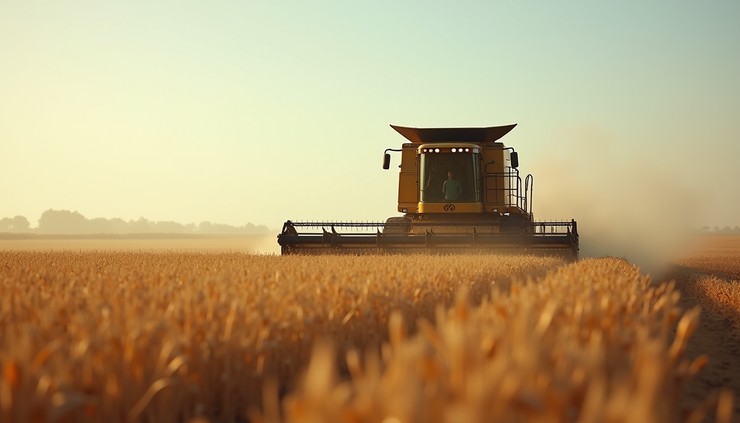
Harvesting potatoes is a delicate process that requires specialized machinery and skilled operators. Potato harvesters dig up the tubers while minimizing damage, then separate them from soil and debris.
Harvester Operators control large machines that dig and collect potatoes efficiently. They must adjust settings based on soil type and crop conditions.
Sorting and Grading Technicians work in processing plants where potatoes are cleaned, sorted by size and quality, and packed for distribution. They use both manual inspection and automated systems.
Storage Managers oversee potato storage facilities, maintaining optimal temperature and humidity to prevent spoilage and sprouting.
These jobs combine mechanical skills with knowledge of potato physiology to maintain product quality after harvest.
Agricultural Scientists and Researchers
Science plays a crucial role in improving potato production and sustainability. Agricultural scientists study potato genetics, disease resistance, and environmental impacts.
Plant Breeders develop new potato varieties with better yield, taste, and resistance to pests and diseases. For example, breeding efforts have produced varieties that resist late blight, a devastating potato disease.
Soil Scientists analyze soil conditions to recommend amendments that improve potato growth.
Entomologists study insect pests affecting potatoes and develop integrated pest management strategies.
Research in these areas helps farmers grow potatoes more efficiently and sustainably.
Supply Chain and Logistics Coordinators
Moving potatoes from farms to markets requires careful planning and coordination. Supply chain professionals ensure potatoes reach consumers fresh and on time.
Logistics Managers plan transportation routes and schedules for potato deliveries, balancing speed and cost.
Quality Control Inspectors check potatoes at various points in the supply chain to ensure they meet safety and quality standards.
Sales and Marketing Specialists work with retailers and food processors to promote potato products and forecast demand.
These roles require strong organizational skills and knowledge of agricultural products.
Innovative Roles in Potato Technology
Technology is transforming the potato industry with new tools for monitoring crops and improving efficiency.
Precision Agriculture Technicians use drones, sensors, and GPS mapping to monitor potato fields. They collect data on soil moisture, plant health, and pest presence to guide targeted interventions.
Automation Engineers design robotic systems for planting, harvesting, and sorting potatoes, reducing labor costs and increasing speed.
Data Analysts interpret agricultural data to help farmers make informed decisions about crop management.
These jobs blend agriculture with engineering and data science, opening new career paths in farming.
Community and Educational Roles
Educating farmers and the public about potatoes is another important aspect of the industry.
Extension Agents work with local farmers to share best practices, new research findings, and sustainable farming techniques.
Nutrition Educators promote the health benefits of potatoes as part of balanced diets.
Agricultural Educators teach students about potato farming and food systems in schools and universities.
These roles support the industry by building knowledge and awareness.
Comments